
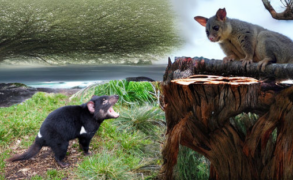
Can there be problems when scientists reintroduce endangered species?
There are many projects aiming to replenish or broaden the gene pool of wild animal populations that are under threat. Few are more vital to survival than efforts to save the Tasmanian devil….

The Planet Talks at WOMADelaide
‘The Planet Talks’ is a three-day ecological and conversational forum taking part during WOMADelaide, the music and dance festival which features over 60 groups presented across four days and seven stages. WOMADelaide takes…
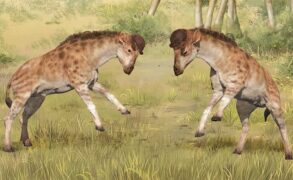
How the giraffe really got its neck
The question of how the giraffe got its long neck has long been debated by scientists throughout the world. Since the days of Charles Darwin, the dominant theory has been that the giraffe’s…
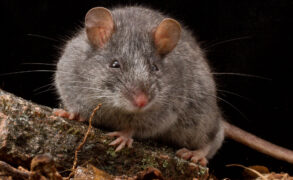
Reverse extinctions, Tasmanian tigers and smoky mice
The idea of bringing back extinct flora and fauna is not new, but the challenge is two-fold: first in sequencing a full genome from recovered DNA fragments, and then in taking stem cells…
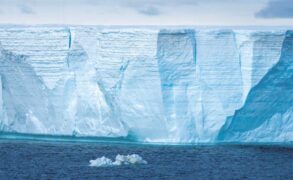
Groundwater could speed the loss of Antarctic ice
Australian research has uncovered groundwater beneath the Antarctic ice which may increase glacial loss and the rising of ocean levels. Antarctica preserves Earth’s largest ice sheet, and scientists have been warning for decades…

All cats are psychopaths
Most people know that cats can be unpredictable. Now, scientists have developed a test which proves that cats have psychopathic characteristics. Cats have been loved, valued and even worshipped by people for thousands…
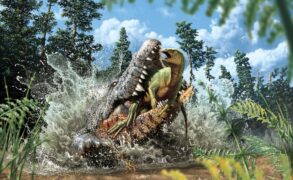
Crocodile eats dinosaur!
Neutron imaging of delicate fossils reveals what an ancient crocodile had for dinner. The Australian Age of Dinosaurs Museum has announced the discovery of Confractosuchus sauroktonos, a new genus and species of ancient…
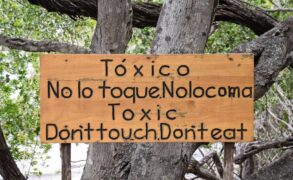
What is the world’s most toxic tree?
“I recently say a sign in Wingham Brush Nature Reserve, warning of giant stinging trees. Are there any trees more toxic than these?” The various species of Dendrocnide, such as the Dendrocnide excela…
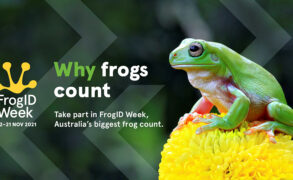
It’s Frog ID week – here’s how you can help
More than 240 frog species are under threat from climate change, bushfires, floods, habitat loss and degradation, and disease. You can help save them by taking part in the fourth annual FrogID Week, 12-21…
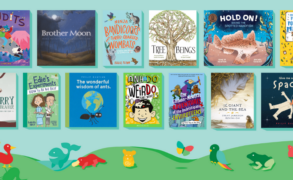
Nature Book Week – free online events from 6 September
The Wilderness Society’s Nature Book Week starts on 6 September, with science communicator Dr Jen Martin as his year’s Nature Book Week Ambassador, leading a series of workshops, talks and events – just…

