A new Australian initiative is sending Year 9-12 students to one of the most extreme scientific environments on Earth, and asking them to contribute to real research while they’re there.
For most students, learning about Antarctic ecosystems, climate systems and marine wildlife means textbooks, diagrams and documentaries. A new program called Antarctic Classroom wants to change that by taking a select group of Australian high schoolers directly to the ice.
Developed through a collaboration between Terra Nova Expeditions, Ocean Youth Academy and ESG Strategy, Antarctic Classroom debuts in December 2026 aboard the expedition vessel St. Helena, departing on a 10-day voyage along the Antarctic Peninsula.
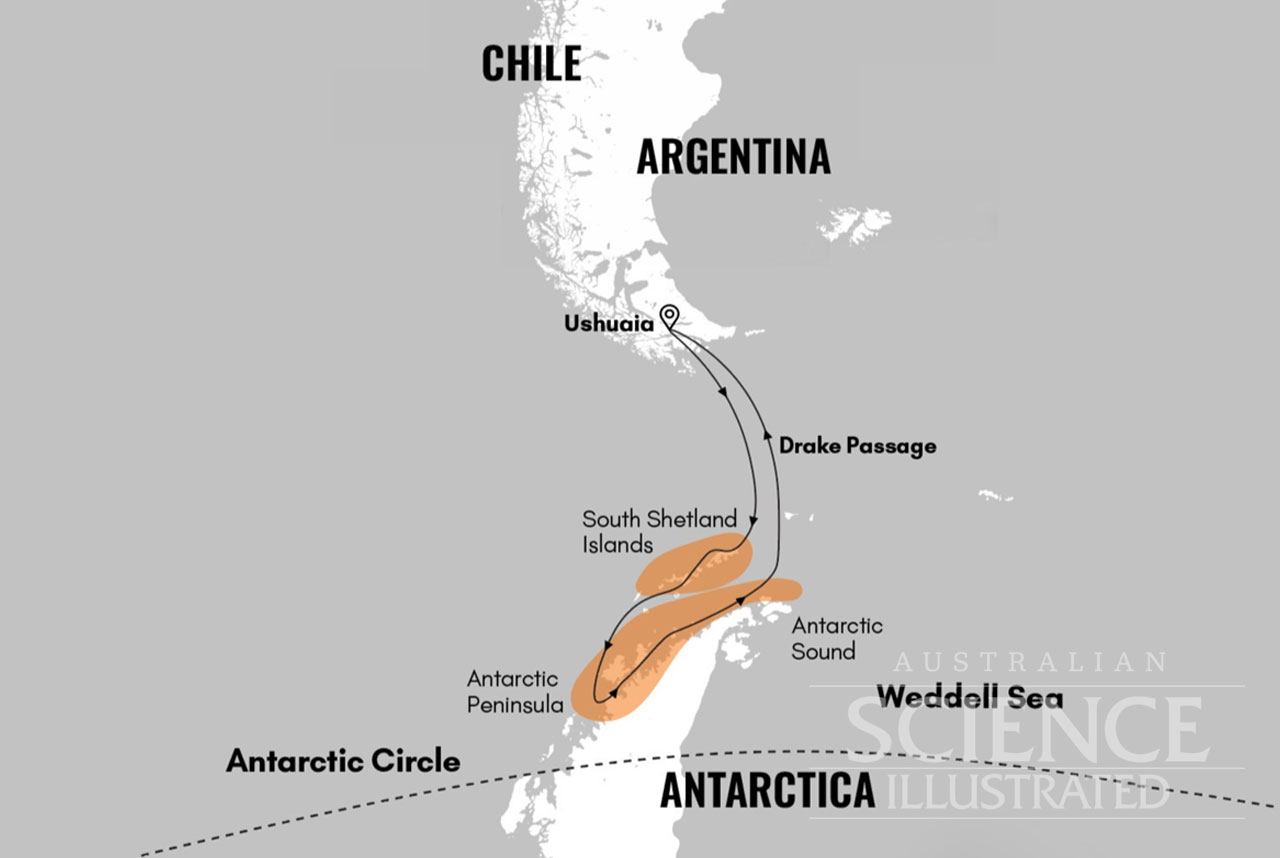
A 10-day expedition built for the next generation of leaders.
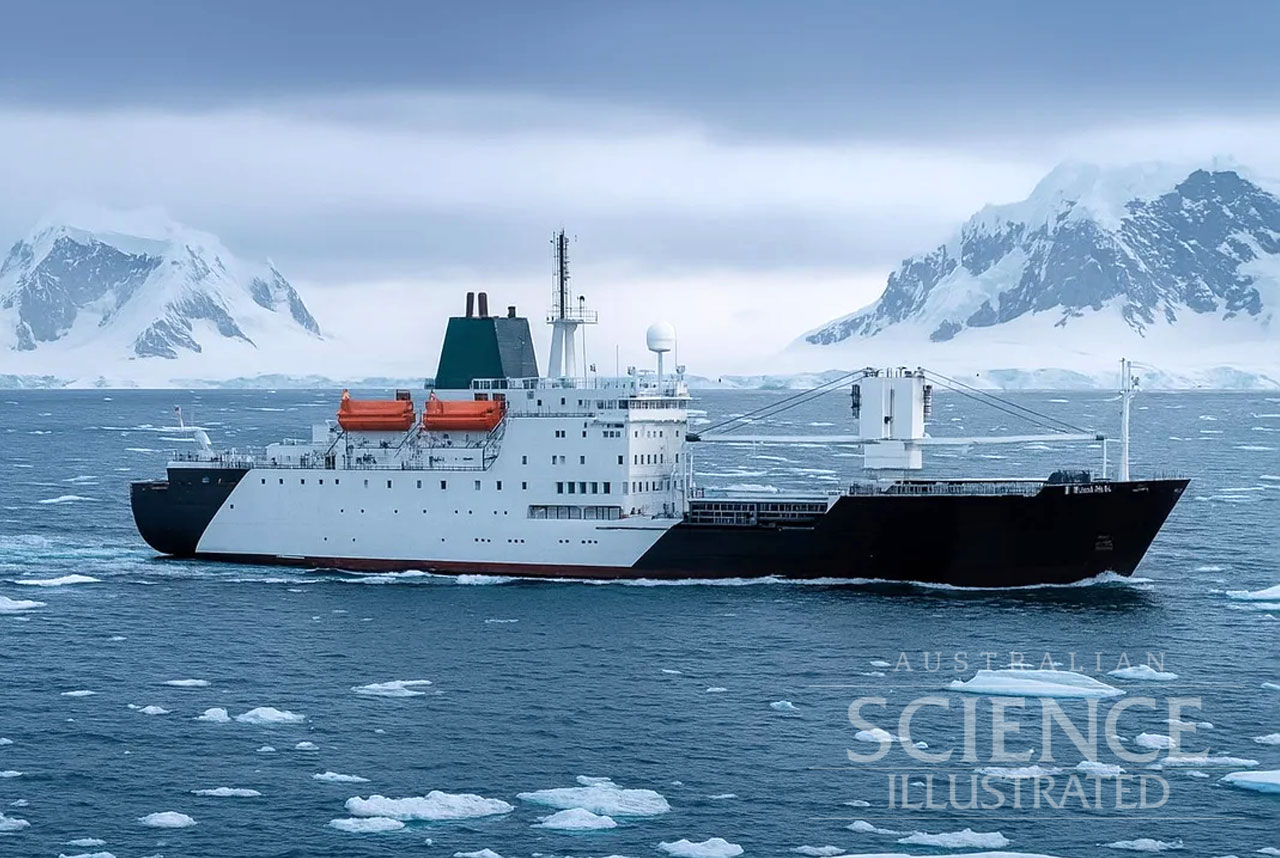
Your Floating Classroom – St Helena.
Science in the field
The program’s scientific credentials are substantial. Marine biologist and science communicator Dr Vanessa Pirotta from Macquarie University will work alongside students throughout the voyage, bringing Antarctic wildlife, ocean science and conservation to life through real-time field observation. Students won’t simply be watching, they’ll be contributing to biodiversity monitoring and citizen science projects, generating data that feeds into genuine research.

Left: Marine biologist and science communicator Dr Vanessa Pirotta from Macquarie University. Right: Dr Jarrod McKenna, reproductive biologist, TED speaker and experienced expedition guide.
Also joining the expedition is Dr Jarrod McKenna, reproductive biologist, TED speaker and experienced expedition guide.
The learning is structured around three phases: online preparation before departure, including Ocean Youth Academy’s Polar Oceans course; the 10-day on-voyage experience integrating research, structured workshops and critical thinking skills within an IB-aligned framework; and post-voyage mentoring, university guidance and entry into the Terra Nova Student Alumni Network.
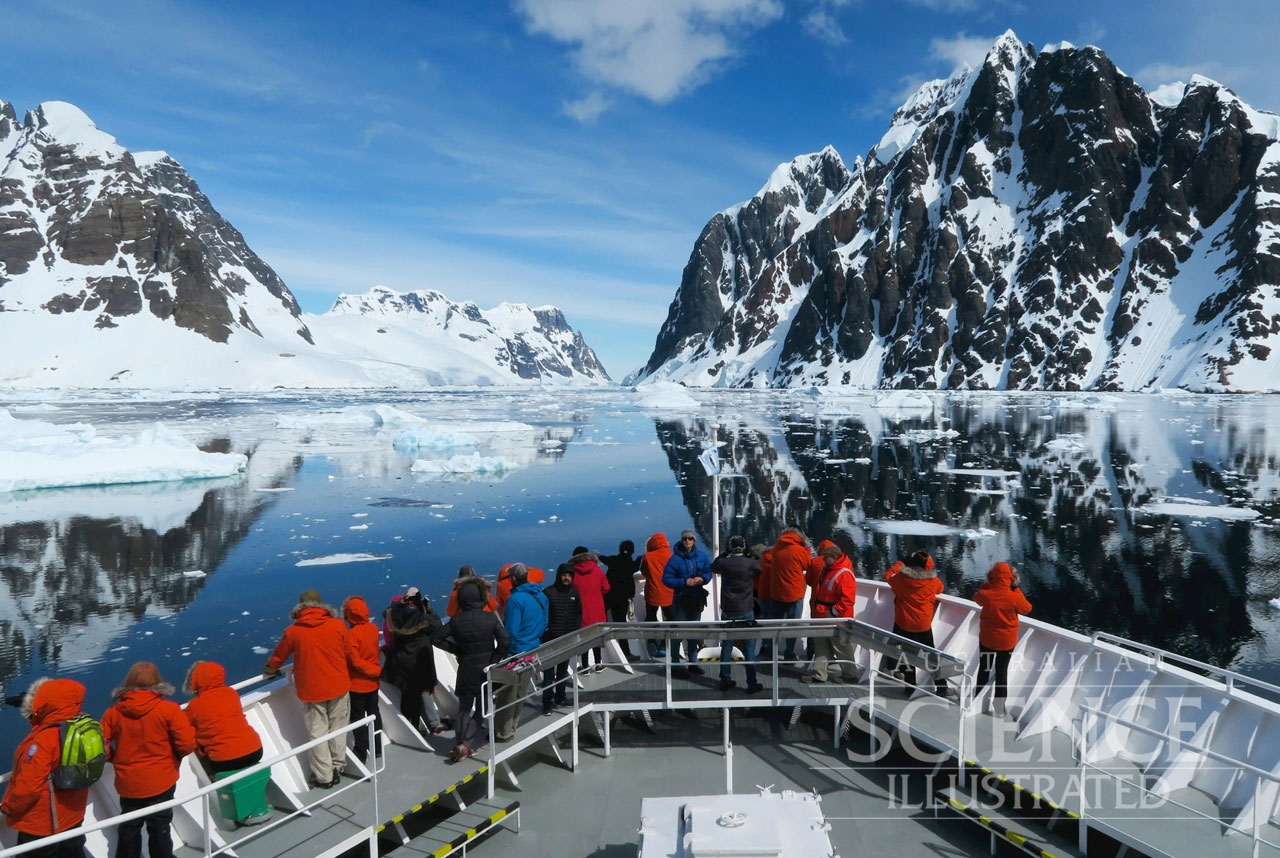
Aboard the historic expedition vessel St Helena, students learn, research, and reflect alongside scientists and mentors, with the continent itself as the classroom.
Students also have the opportunity to complete the Gold Project (Residential) component of the Duke of Edinburgh Award during the program.
Why Antarctica?
As Dr Pirotta puts it, Antarctica is one of the most extraordinary natural laboratories on Earth — a place where the impacts of climate change, shifts in ocean systems, and the fragility of polar ecosystems are observable in ways no classroom can replicate. Putting young people in that environment, working directly alongside scientists, is a powerful way to develop both scientific literacy and a genuine sense of connection to global environmental challenges.
Spots on the December 2026 departure are intentionally limited to ensure a personalised experience. Families and schools interested in finding out more can visit terranova-expeditions.com/en/antarctic-classroom or contact info@terranova-expeditions.com