Moon landing celebrated by new ISS arrivals
ESA, NAS and Russion astronauts were launched to the International Space Station from the Baikonur cosmodrome in Kazakhstan on Saturday, with the ESA’s Luca Parmitano alongside NASA astronaut Drew Morgan and Russian Roscosmos…
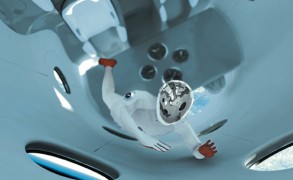
2014: a space odyssey
Brad Pitt is, Michael Schumacher is, and Stephen Hawking is too. They are waiting. They are excited. Some 580 well-known and unknown people have lined up for the adventure of their lives. They…
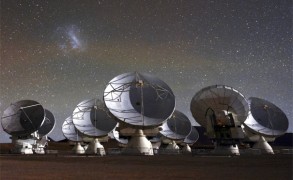
Super Telescopes
SOLVING THE MYSTERIES OF THE UNIVERSE In the most desolate regions of the globe, astronomers and engineers are building a new generation of super telescopes. The high-tech structures will be spread across several…
DIY Space Program
Sandy Antunes did not react to his threatening midlife crisis by buying a motorcycle or climbing mountains. Instead, the 46-year-old American built his own small, customised satellite. Picosatellites like his are available as…
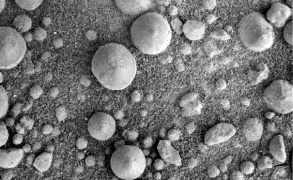
“Blueberries” could be key to Martian life
It’s unlikely that anything still lives on Mars today, but anything that was around millions or even billions of years ago might have left a few traces behind.
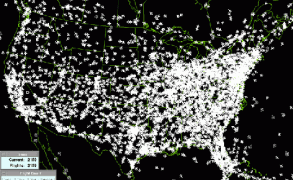
Air traffic worldwide
When you look up to the sky remember that at any given time there are between 9,000 and 13,000 aircraft in the air (according to the US Federal Aviation Agency, there are at…
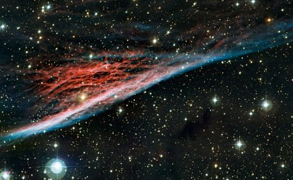
Beautiful wreckage left by a supernova explosion
It is not a pencil. It is not a celestial quidditch broom. It is a beautiful nebula formed 11,000 years ago after the violent death of a star.
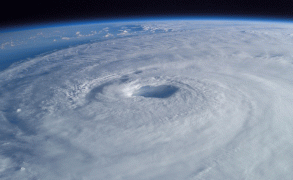
Viewing tropical storms and other natural disasters from space
Australia receives an average of 13 cyclones a year, while the US might see up to 20. Every one of these destructive storms varies in their life cycles, intensity, movement, size and impacts such…